
History
Celebrating 75 Years of Betty Crocker’s “Big Red” Cookbook
A look back at the cookbook that shaped American home cooking for generations.
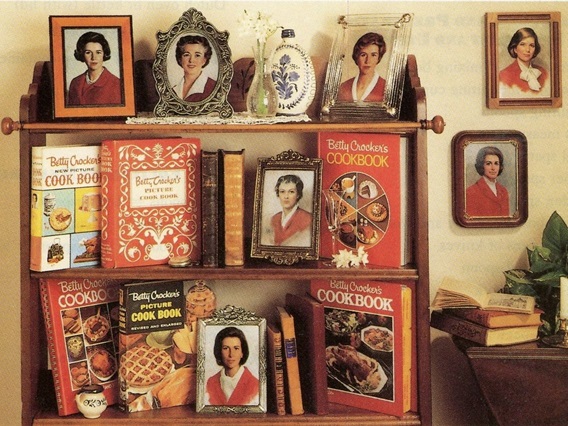
Betty Crocker’s Big Red remains one of the most recognizable and beloved cookbooks in American culinary history. For decades, it has been a staple on kitchen shelves across the country — at one point even ranking as the second most-purchased book in America behind the Bible. As we mark this milestone anniversary, we’re not just celebrating a cookbook, but a cultural icon that shaped how America cooks at home.
First published 75 years ago, the Betty Crocker Picture Cookbook emerged at a pivotal moment when home cooking, convenience and standardized methods were becoming essential in American households. Its foundation, however, was decades in the making.
Gold Medal Flour had been publishing recipe cookbooks as early as 1890, helping guide home cooks through new culinary trends. After 1921, Betty Crocker’s signature was introduced on countless pamphlets and booklets, such as the notable 1948 publication of the Betty Crocker Cooky Book. This laid the groundwork for what would ultimately become the iconic “Big Red.”
The goal behind the first edition was simple but revolutionary: make cooking accessible to everyone. The test kitchens at General Mills developed recipes with painstaking attention to detail, focusing on consistency and success for cooks at all skill levels.

This led to innovations that set Big Red apart from every other cookbook of the era:

Newspaper articles and press releases of the early 1950s praised the cookbook as “revolutionary,” and home cooks immediately embraced it. Soon, the book’s bright crimson cover and its generous size earned it a loving nickname: “Big Red.” For decades the nickname remained unofficial, until the 2000 edition finally featured the words “Big Red” on the cover.
With 13 major editions between 1950 and 2022, Big Red has continually evolved to reflect America’s food culture, household needs, and cooking technology. Take a look at how Big Red has changed over the years.

The first edition revolutionized home cooking with step-by-step color photos, standardized measurements, and a bold red cover that set a new benchmark for American cookbooks.

Following the success of the first edition, the second edition added more illustrations, vibrant color photos, expanded chapters on meats and main dishes and a new meal planning section that offered guidance from everyday meals to festive holiday menus.

This edition introduced a sleeker 1960s design and expanded guidance on convenience foods and modern kitchen appliances.

Authored with home cooks in mind, this edition focused on practical recipes that you could count on for cooking success. It proudly embraced the idea of being “a cookbook to cook with,” a dependable guide meant for daily use.

With streamlined recipes, techniques for preserving food, creative ways to use leftovers and recipes adapted for the newly trending microwave; this edition emphasized practicality and innovation.

Research revealed that food preparation was becoming a shared family effort, so this edition offered clear, easy-to-follow directions that were designed for anyone to feel confident in the kitchen.

Reflecting evolving ’90s cooking habits, this update streamlined ingredients, emphasized fresher foods and reduced fat, sugar and sodium.

With so many updates, the cookbook even got a new name: Betty Crocker’s New Cookbook! Every recipe was evaluated to meet current standards to ensure it was foolproof, while offering lower-fat and lower-calorie variations alongside the beloved classics.

The 2000 version officially embraced the “BIG RED” name and modernized the book’s teaching approach for new home cooks.

Focused on personal expression in the kitchen, this edition introduced options for healthier meals and vegetarian cooking, embracing the evolving ways families were cooking at home.

This edition introduced “Learn to Make” features, providing extra guidance, expert tips and practical tricks to help anyone become an expert cook. It also debuted Heirloom Recipes and New Twists, reimagining classic dishes with fresh flavors and updated ingredients, keeping timeless favorites both familiar and exciting.

Centered on cooking from scratch, this edition featured “Quick Technique” photos to master essential cooking skills, a “Make Ahead” section with versatile base recipes, and “Betty’s Staples,” transforming everyday pantry ingredients into fresh, inventive dishes.

The newest edition balances classic Betty Crocker tradition with modern dietary preferences and changing kitchen technology, offering updated visuals and techniques that keep Big Red relevant in a digital-first cooking era.
Despite the explosion of recipe apps, video tutorials, and digital food blogs, Big Red remains popular because home cooks trust it.
Generations have relied on the General Mills test kitchens to ensure every recipe is accurate, reliable, and thoughtfully explained. Many families still pass down well-loved copies often splattered with years of cooking memories. With its clear techniques, helpful visuals, and dependable results, Big Red continues to guide both new and seasoned cooks alike.
If you’d like your own copy, many editions are still available wherever books are sold.